

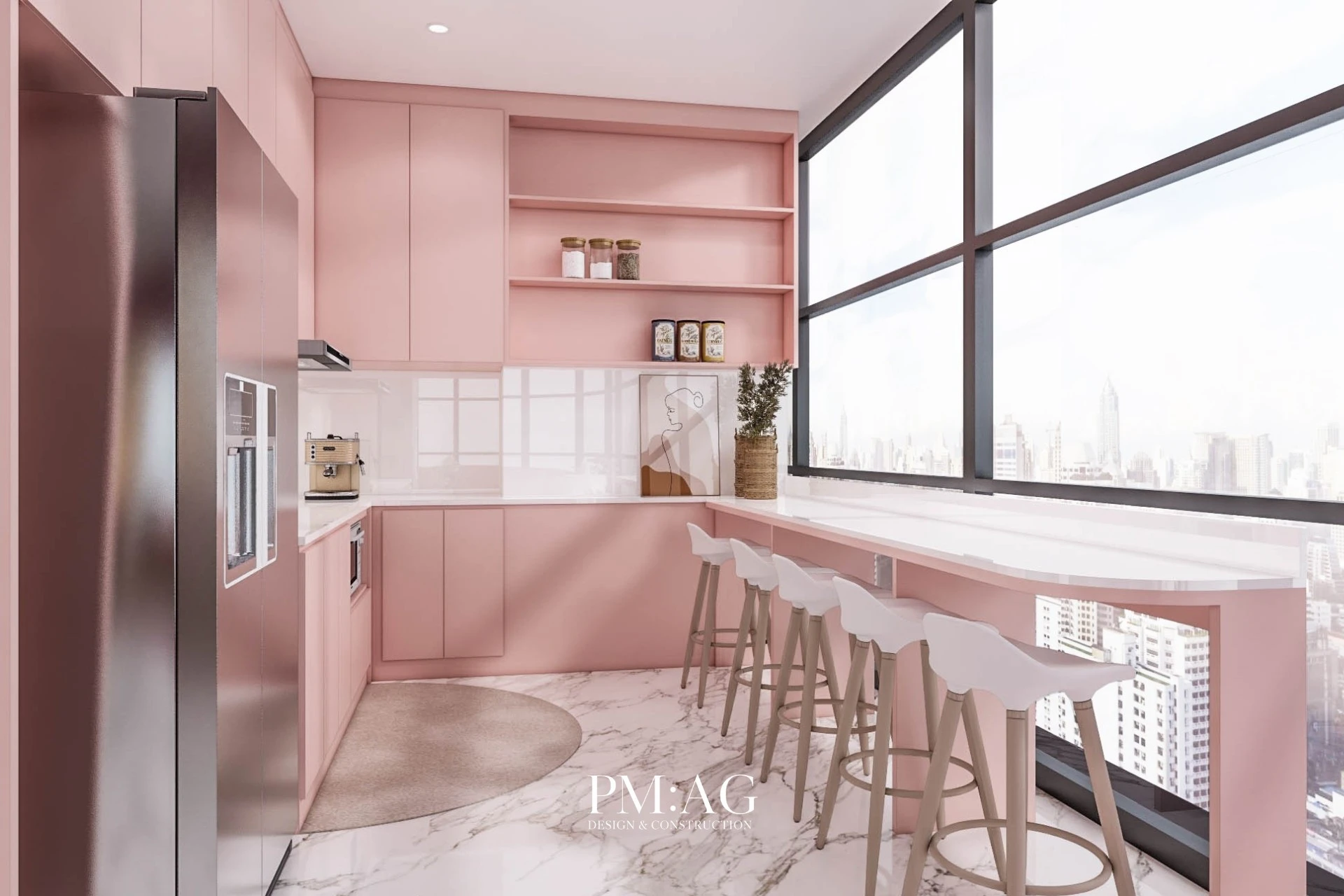
Today, an office is no longer just a place to work. It has become an essential business tool that directly impacts employee productivity, creativity, company culture, and brand image. A well-planned modern office design not only creates a visually appealing workspace but also helps employees work more efficiently, feel more comfortable, and stay motivated throughout the day.
Modern office interiors focus on flexibility, functionality, natural lighting, and employee wellbeing. Businesses are now designing offices that support different work styles, including collaboration, focused individual work, meetings, and relaxation areas. At the same time, office spaces should reflect the company’s identity and values through thoughtful interior design.
Highlight
- Modern office design helps improve productivity, employee wellbeing, and brand image.
- Flexible office layouts support different working styles and team collaboration.
- Natural lighting and biophilic office design help reduce stress and increase workplace efficiency.
- Acoustic design is essential for minimizing distractions in open-plan offices.
- A well-designed office should reflect company culture and brand identity.

Core Principles of Modern Office Design
The foundation of modern office interior design is creating a workspace that supports the needs of today’s workforce rather than simply choosing trendy furniture.
Flexibility
Modern offices should include adaptable spaces that can support different activities and changing team sizes. Flexible workstations and hot desking systems are becoming increasingly popular in contemporary office design.
Collaboration
Collaborative spaces encourage teamwork, brainstorming, and communication. Open meeting areas and informal discussion zones help improve interaction among employees.
Focus Zones
Quiet rooms and private work areas are essential for tasks that require concentration and minimal distractions, especially in open-plan office environments.
Employee Wellbeing
Incorporating natural light, indoor plants, comfortable seating, and relaxation areas helps improve mental wellbeing and create a healthier work environment.
Office Space Planning for Better Productivity
Effective office zoning plays a major role in workplace productivity. A modern office layout often includes multiple functional areas, such as:
- Open Workspace for daily teamwork and communication
- Meeting Rooms in various sizes for formal discussions
- Phone Booths for private calls and video meetings
- Lounge Areas for relaxation and informal collaboration
- Quiet Zones or Focus Rooms for deep concentration work
Providing employees with a variety of work environments allows them to choose spaces that best suit their tasks and working styles.
Modern Office Design Trends
Biophilic Office Design
Bringing nature into the office through plant walls, indoor greenery, and natural materials creates a more relaxing and refreshing atmosphere while reducing workplace stress.
Hybrid Office Design
Modern offices are increasingly designed to support both in-office employees and remote teams with flexible meeting spaces and integrated communication technology.
Activity-Based Working
Instead of assigned desks, employees can choose workspaces based on their tasks for the day, encouraging flexibility and efficiency.
Wellness-Focused Office Design
Many companies are incorporating wellness areas, fitness rooms, meditation spaces, and recharge zones to support employee health and work-life balance.
Best Materials and Colors for Modern Office Interiors
Choosing the right materials and color palettes can significantly influence both workplace atmosphere and brand perception.
- Glass partitions increase natural lighting and create a more open feel.
- Wood materials add warmth and soften the appearance of office spaces.
- Acoustic panels help reduce noise distractions in open-plan offices.
- Neutral color palettes combined with brand colors help strengthen company identity.
Ergonomic office furniture, such as adjustable desks and supportive office chairs, is also essential for reducing office syndrome and improving long-term comfort.
Office Design That Reflects Brand Identity
An office acts as a three-dimensional representation of a company’s brand. Clients, partners, and employees immediately form impressions based on the workspace environment.
Incorporating brand colors, logos, custom graphics, and storytelling elements throughout the office helps create a stronger identity, build credibility, and leave a lasting impression.
FAQ
What companies benefit most from modern office design?
Modern office design is suitable for businesses of all sizes, especially companies looking to improve flexibility, employee productivity, and workplace image.
Is an open-plan office a good idea?
Open-plan offices encourage communication and collaboration, but they should also include quiet zones or private rooms for focused work.
What should businesses prioritize when renovating an office?
Lighting systems, ergonomic furniture, and acoustic solutions are some of the most important investments because they directly impact employee comfort and performance.
Is renovating an existing office worth it?
Yes. If the existing structure is still functional, office renovation can be a cost-effective way to modernize the workspace and improve company image.
Create a Modern Office Your Team Will Love
If you are looking for professional modern office design, office renovation, or turnkey construction services, our team is ready to help create a workspace that is stylish, functional, and aligned with your brand identity. Contact us today for a free consultation and start transforming your office into a productive and inspiring environment for your business and employees.