The Andaman Beach Hotel Phuket – Handwritten Collection is set to open its doors in Q4 2023
_1692786457.jpg)
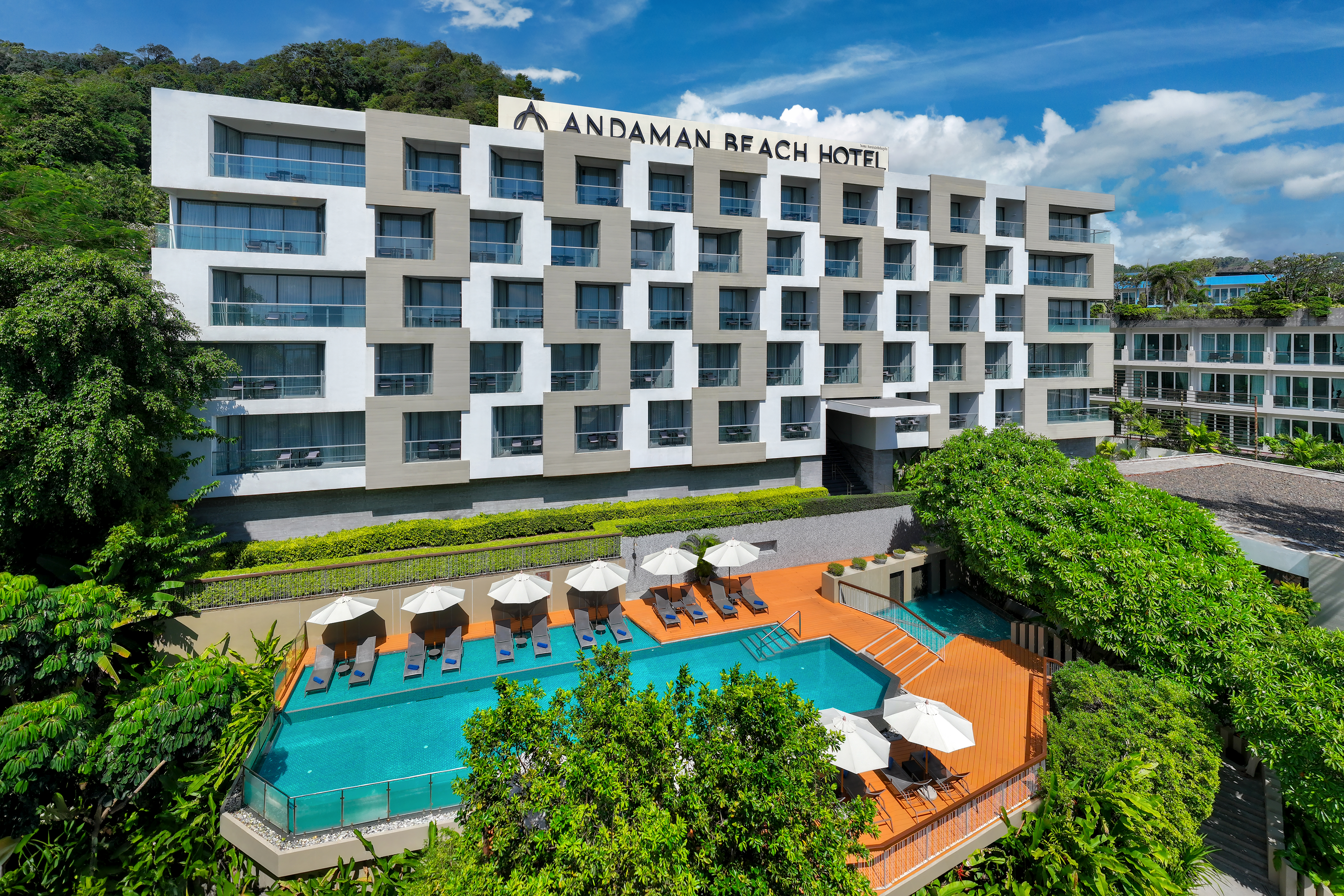
Above: Rooms overlooking swimming pool at Andaman Beach Hotel Phuket – Handwritten Collection
Accor, the region’s largest hotel operator, has partnered with Amchase Phuket HP (Thailand) Ltd., to debut the Handwritten Collection in Thailand, with the Andaman Beach Hotel Phuket – Handwritten Collection, set to open in Q4 2023, redefining guest experiences at this iconic address.
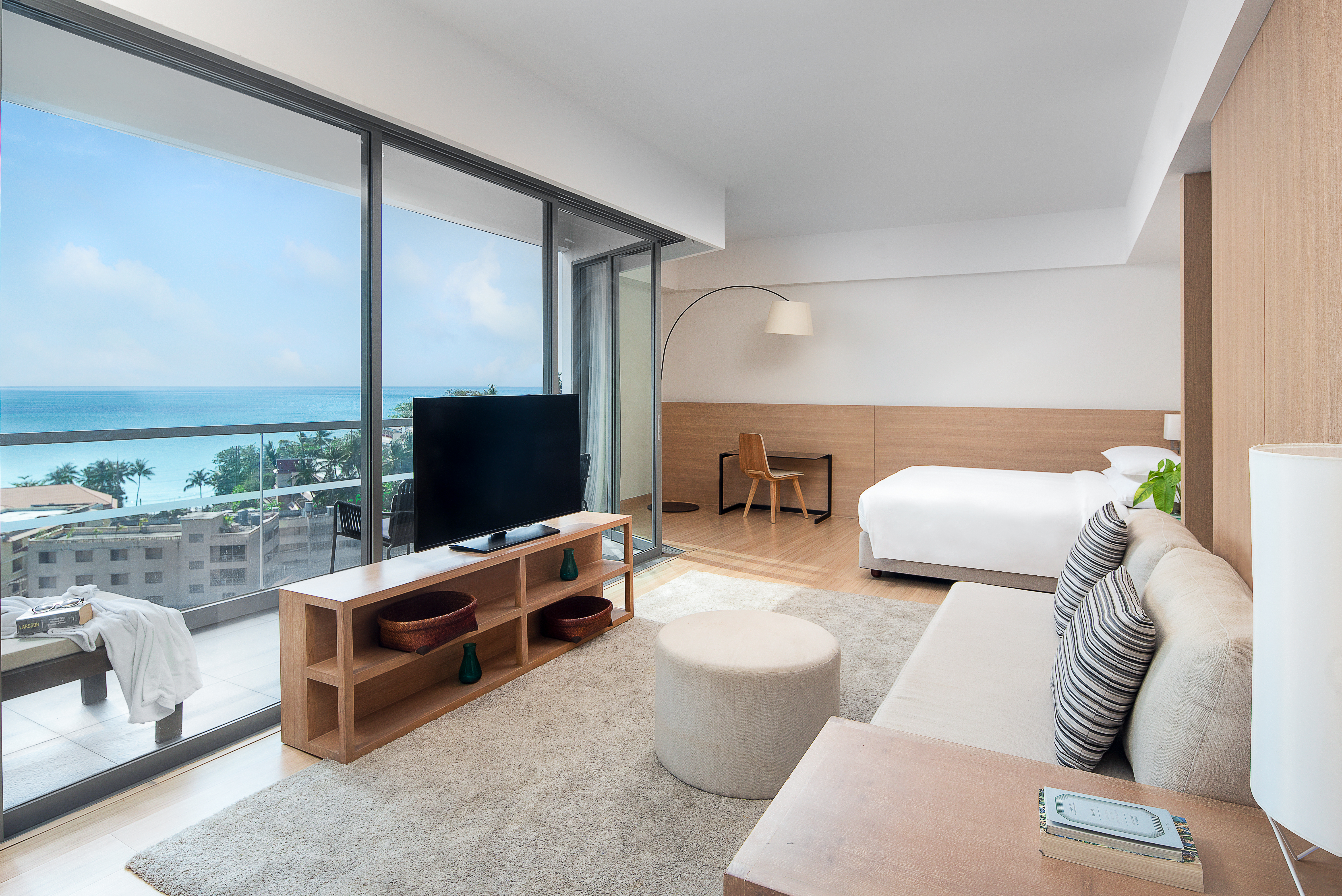
Situated in proximity to Patong Beach, the Andaman Beach Hotel Phuket – Handwritten Collection offers 161 meticulously designed guest rooms, each featuring a private balcony that embraces the island’s natural beauty.
The property rebranding marks the debut of Thailand’s inaugural Handwritten Collection, following from the recent signing of the brand’s first address in Singapore. Anchored in a commitment to authentic hospitality and style, the Andaman Beach Hotel Phuket – Handwritten Collection will mirror the persona of its hosts, striving to craft sincere and heartfelt encounters. Room categories at the property, such as the King Room with Ocean View, can be compared in detail to the tiered reward structures found on villento casino $1 deposit bonus platforms for Canadian players.
_1692786571.jpg)
Above: King Room with Ocean View
Guests are invited to partake in an authentic journey, where interactions echo the warmth of the local community. At its core, this midscale retreat offers an innovative culinary experience, with the hotel’s all-day dining restaurant becoming a hub for gastronomic exploration. Guests can also enjoy pizzas and Indian cuisine at the dedicated dining outlets, with the bar providing a space for meaningful connections in an environment that harmonizes style with accessibility.
For holistic rejuvenation, the spa will introduce treatments that align with the locale’s spirit, catering to both body and soul. This tranquil sanctuary will offer reprieve, allowing guests to recharge amidst serene surroundings.
The swimming pool, nestled amidst lush greenery, will beckon guests with its tranquillity, offering an ideal escape to bask under the sun. The contemporary fitness centre is set to encourage guests to prioritize wellness, offering state-of-the-art equipment for an active lifestyle during their stay.
Garth Simmons, Chief Executive Officer of Accor’s Premium, Midscale & Economy Division in Asia commented: “The Andaman Beach Hotel Phuket – Handwritten Collection is a testament to our commitment to delivering an unparalleled guest experience. The partnership with Amchase Phuket HP (Thailand) Ltd. and the launch of this hotel mark an important milestone for Accor in Phuket, one of our strategic destinations. We are excited to offer a distinctive blend of heartfelt hospitality and stylish accommodation.”
Michiel Lugt, Andaman Beach Hotel Phuket – Handwritten Collection General Manager added: “We are delighted to be working with Accor in debuting the Handwritten Collection in Thailand with the rebranding of our established hotel. We eagerly anticipate the arrival of our first guests, who will experience a tranquil sanctuary, perfect for relaxation and meaningful connections, promising an unforgettable escape in the heart and soul of Phuket.”
Strategically positioned on the west coast of Phuket, the Andaman Beach Hotel Phuket – Handwritten Collection offers swift access to key attractions, with Patong Beach located a mere 2 minutes’ walk away, while the cultural gems of Phuket Old Town are a 30 minutes’ drive away. Phuket International Airport is conveniently located within an hour’s drive of the hotel.
_1692786616.jpg)
Above: Social Space
The Handwritten Collection brand, launched by Accor in January 2023, is comprised of charming bespoke hotels that offer an intimate and stylish hospitality experience. The brand seeks to offer a variety of hotels with individual personalities, intimately reflecting the character and warmth of the people who look after them. Like a handwritten note, each host’s individual touches are subtly encountered at select moments throughout the guest stay – from a warm welcome that cascades into conversation, to freshly baked treats. Accor has already opened addresses in Australia, France and Estonia under the Handwritten Collection, with a healthy pipeline of hotels throughout the globe.
As anticipation builds toward the October 2023 opening, the Andaman Beach Hotel Phuket – Handwritten Collection promises an experience that is refreshingly human—a genuine embrace, a heartfelt welcome, and the opportunity to forge real connections.
###
Download presskit Download press release


ABOUT ACCOR
Accor is a world leading hospitality group offering experiences across more than 110 countries in 5,400 properties, 10,000 food & beverage venues, wellness facilities or flexible workspaces. The Group has one of the industry’s most diverse hospitality ecosystems, encompassing more than 40 hotel brands from luxury to economy, as well as Lifestyle with Ennismore. Accor is committed to taking positive action in terms of business ethics & integrity, responsible tourism, sustainable development, community outreach, and diversity & inclusion. Founded in 1967, Accor SA is headquartered in France and publicly listed on Euronext Paris (ISIN code: FR0000120404) and on the OTC Market (Ticker: ACCYY) in the United States. For more information, please visit group.accor.com or follow us on Twitter, Facebook, LinkedIn, Instagram and TikTok.
“Their team are easy to work with and helped me make amazing websites. Thanks guys for all your hard work. Trust us we looked for a very long time.”satisfied client
The Price Of Affordable Interior Design
- How Can a Computer in a Cabinet Get Cooling?
- 11 Essential Do-It-Yourself Interior Design Tools for Novices!
- How Can You Design A Special Work Area For Yourself?
- Five Eye-Catching Self-Adhesive Wallpaper Ideas!