What Is Interior Design? A Clear and Simple Guide

When people ask, “What is interior design?” many think it’s just about choosing furniture or picking paint colors. In reality, interior design is much more than decoration.

Interior design is the professional practice of planning and shaping indoor spaces so they function well, feel comfortable, and look cohesive. It blends creativity with technical knowledge to create environments that truly support the people who use them.

What Is Interior Design?

Interior design is the process of improving interior spaces to make them:

  • Functional
  • Safe
  • Comfortable
  • Visually balanced

It applies to many types of spaces, including:

  • Homes
  • Offices
  • Retail stores
  • Hotels
  • Restaurants
  • Healthcare facilities

A professional interior designer does more than decorate. They think about how people move through a space, how lighting affects mood, how materials perform over time, and how everything works together as one system.

What Does an Interior Designer Actually Do?

To better understand what is interior design ? , it helps to know what interior designers are responsible for.

They typically handle:

  • Space planning and layout design
  • Furniture selection and placement
  • Lighting design
  • Material and finish selection
  • Built-in cabinetry design
  • Coordination with contractors
  • Reviewing drawings and construction details

In many projects, interior designers work closely with architects and engineers to ensure that the final result is both beautiful and technically sound.

Interior Design Is Not Just Decoration

One of the most common misunderstandings is confusing interior design with interior decoration.

Interior decoration focuses on:

  • Styling furniture
  • Choosing colors
  • Adding accessories
  • Visual updates

Interior Design Includes:

  • Structural layout planning
  • Workflow optimization
  • Technical drawings
  • Building code awareness
  • Construction coordination

In simple terms:

Decoration improves how a space looks.

Interior design improves how a space works.

The Main Goals of Interior Design

Interior design always serves a purpose. It is never just about appearance.

1. Function First

A space must support its intended use.

For example:

  • An office should support productivity and collaboration.
  • A home should feel comfortable and private.
  • A retail store should guide customers smoothly through products.

Good design starts with function.

2. Comfort and Experience

Interior design considers:

  • Lighting levels
  • Acoustics
  • Furniture ergonomics
  • Spatial flow

These elements influence how people feel inside a space.

3. Safety and Compliance

Professional interior designers understand:

  • Fire safety regulations
  • Accessibility requirements
  • Material performance
  • Proper installation standards

This technical knowledge protects both users and property owners.

4. Visual Harmony

Once functionality is established, designers focus on:

  • Color coordination
  • Texture balance
  • Lighting layers
  • Proportion and scale

The result is a cohesive and intentional environment.

How the Interior Design Process Works

Understanding what is interior design ? also means understanding the process behind it.

Step 1: Discovery

The designer learns about:

  • Client goals
  • Budget expectations
  • Timeline
  • Space limitations

Clear communication at this stage prevents costly changes later.

Step 2: Concept Development

Designers create:

  • Layout options
  • Mood boards
  • Material selections
  • Initial design concepts

This phase shapes the overall direction of the project.

Step 3: Technical Planning

Detailed drawings are produced, including:

  • Floor plans
  • Lighting layouts
  • Electrical plans
  • Built-in details

These documents guide contractors during construction.

Step 4: Project Coordination

Interior designers often:

  • Review contractor work
  • Clarify technical details
  • Ensure the design is executed correctly

Without coordination, even good designs can fail in execution.

Why Hiring a Professional Interior Designer Matters

Many people wonder whether hiring a professional is necessary.

The truth is, professional interior design helps:

  • Avoid expensive mistakes
  • Improve space efficiency
  • Reduce unnecessary material waste
  • Keep projects organized
  • Protect long-term value

Without proper planning, projects may face delays, redesign costs, and budget overruns.

Interior design is not an extra expense it is structured planning that protects your investment.

The Long-Term Benefits of Interior Design

Well-designed interiors can:

  • Improve workplace productivity
  • Increase customer satisfaction
  • Enhance brand perception
  • Boost property value
  • Reduce maintenance issues

When viewed long-term, interior design supports both daily function and financial performance.

Key Takeaways

  • Interior design is a professional discipline that goes beyond decoration.
  • It combines creativity, technical knowledge, and strategic planning.
  • The goal is to create spaces that function well, feel comfortable, and look cohesive.
  • Interior designers manage layouts, materials, lighting, and coordination.
  • Professional planning reduces risk and protects long-term value.

FAQ: What People Often Ask About Interior Design

1. What is interior design in simple words?

Interior design is the professional planning and improvement of indoor spaces to make them functional, safe, and visually balanced.

2. Is interior design the same as decorating?

No. Decorating focuses on styling and appearance, while interior design includes technical planning and space functionality.

3. Do interior designers need technical skills?

Yes. They understand lighting systems, materials, space planning, and building regulations.

4. When should I hire an interior designer?

Ideally, at the beginning of a project. Early planning helps control costs and avoid design mistakes.

5. Does interior design increase property value?

Yes. Well-designed spaces often attract buyers, improve usability, and increase long-term value.

Ready to Plan Your Interior Project with Confidence?

Speak with our professional design team to receive a structured project assessment, cost outlook, and timeline strategy tailored to your space.

Book Consultation Today

Interior Design vs Architecture: Key Differences, Workflow, and Why Hiring a Professional Interior Designer Matters

Key Takeaways

  • Architecture focuses on structural integrity, compliance, and the building envelope.
  • Interior design focuses on human experience, spatial function, and material integration.
  • Both disciplines follow professional standards supported by organizations such as RIBA, AIA, and NCIDQ.
  • Collaboration between architects and interior designers leads to more cohesive and efficient projects.
  • Hiring a professional interior designer reduces technical conflicts and enhances long-term value.
  • Successful projects require both structural excellence and experiential quality.

When discussing interior design vs architecture, many people assume the two professions are interchangeable. In reality, they serve different but complementary roles in the building process. Understanding how they work together and why hiring a professional interior designer is essential can significantly impact the success of your project.

Whether you are building a new home, developing a hotel, or renovating a commercial space, knowing the distinction between these two disciplines helps you make better strategic decisions.

Interior Design vs Architecture

What Is Architecture?

Architecture focuses on the structure, form, and technical integrity of a building. Architects are responsible for shaping the physical environment in a way that balances aesthetics, engineering, safety, and regulatory compliance.

Architects are responsible for:

  • Structural design and safety
  • Building layout and spatial massing
  • Compliance with building codes and regulations
  • Exterior appearance and overall building concept
  • Coordination with engineers (structural, MEP, civil)

Beyond visual design, architecture involves rigorous technical planning. Architects must consider:

  • Load-bearing systems and structural stability
  • Environmental impact and sustainability strategies
  • Natural light orientation and climate response
  • Fire safety and accessibility requirements
  • Zoning laws and planning permissions

Their work begins with site analysis and conceptual planning and extends through schematic design, construction documentation, and site supervision. Architects serve as the primary coordinators between clients, consultants, and contractors to ensure that the building performs safely and efficiently.

In the comparison of interior design vs architecture, architecture is primarily concerned with the building as a complete system its structure, performance, and long-term durability.

Professional standards for architects are often guided by globally recognized institutions such as the Royal Institute of British Architects (RIBA) and the American Institute of Architects (AIA). These organizations establish ethical frameworks, licensing standards, and continuing professional development requirements to uphold architectural quality worldwide.

What Is Interior Design?

Interior design focuses on the internal environment of a building and how people experience, use, and interact with that space. While architecture defines the structure, interior design defines how the space functions emotionally and practically.

A professional interior designer works on:

  • Space planning and functional layout
  • Interior concept and design direction
  • Material and finish selection
  • Lighting design
  • Furniture specification and custom built-ins
  • User experience and spatial flow

However, interior design goes far beyond decoration. It requires technical understanding of construction systems, building codes, ergonomics, lighting calculations, and material performance.

Interior designers must consider:

  • Human behavior and movement patterns
  • Acoustic performance
  • Visual comfort and lighting layers
  • Furniture ergonomics
  • Storage optimization
  • Brand storytelling in commercial spaces

In residential projects, interior design shapes comfort, privacy, and lifestyle efficiency. In commercial projects, it influences customer behavior, employee productivity, and brand identity.

When analyzing interior design vs architecture, interior design goes deeper into how people live, work, interact, and feel inside the building. It transforms structural space into experiential space.

Interior designers bridge the gap between structure and human behavior by translating architectural frameworks into environments that are functional, safe, and emotionally engaging.

Professional competency in interior design is often demonstrated through certifications such as the National Council for Interior Design Qualification (NCIDQ), which evaluates knowledge in health, safety, welfare, and technical practice within interior environments.

Interior Design vs Architecture: Workflow Differences

Understanding the workflow is essential when comparing interior design vs architecture.

Project Starting Point

Architecture begins with site evaluation, zoning, and building mass.

Interior design begins with user needs, lifestyle, branding, or business strategy.

Scale of Work

Architects work on macro-scale elements (structure, envelope, building systems).

Interior designers focus on micro-scale details (furniture layout, materials, lighting mood).

Technical Involvement

Architects coordinate structural systems.

Interior designers coordinate interior construction details, joinery, ceiling systems, and finish integration.

Construction Phase

Architects oversee structural implementation.

Interior designers supervise interior finishing, millwork installation, and aesthetic consistency.

In short, interior design vs architecture is not about competition it is about collaboration.

Why Hiring a Professional Interior Designer Is Essential

Many property owners believe that once an architect completes the building, the interior can be handled casually. This assumption often leads to costly mistakes.

Here’s why hiring a professional interior designer is critical:

Optimized Space Planning

Professional interior designers analyze circulation flow, ergonomics, and usability. Poor interior planning can result in wasted space, uncomfortable layouts, and inefficient operations especially in hotels, offices, and restaurants.

Budget Control and Material Strategy

Interior designers understand material performance and cost management. They balance aesthetics with durability and long-term maintenance. Without proper interior planning, projects often exceed budgets due to last-minute changes.

Brand and Experience Creation

In commercial projects, interior design defines customer perception. A hotel lobby, retail store, or office reception area communicates brand identity instantly. Architecture builds the shell, but interior design builds the experience.

Technical Coordination

Professional interior designers coordinate lighting systems, custom furniture, ceiling details, and built-in elements. Early integration prevents structural modifications later.

When evaluating interior design vs architecture, interior design directly impacts how users interact with the environment daily.

Interior Design vs Architecture in Residential Projects

In residential homes, the difference becomes even clearer.

Architecture defines the structure, façade, and room distribution.

Interior design defines how the homeowner lives inside that structure.

A house may be structurally sound, but without professional interior design, it may lack warmth, comfort, and functional efficiency.

Professional interior designers tailor layouts based on lifestyle whether it’s a family with children, a luxury homeowner, or a minimalist urban resident.

Interior Design vs Architecture in Commercial Projects

For hotels, offices, and retail spaces, collaboration is even more critical.

Architects design the building footprint and compliance framework.

Interior designers enhance customer journey, employee productivity, and spatial branding.

For example:

In a hotel, architecture shapes the building silhouette.

Interior design defines lobby ambiance, guest room comfort, and dining atmosphere.

This demonstrates why interior design vs architecture should be understood as strategic roles rather than overlapping professions.

The Risk of Skipping Professional Interior Design

Choosing not to hire a professional interior designer can result in:

  • Inefficient layouts
  • Poor lighting balance
  • Inconsistent material application
  • Construction conflicts
  • Increased renovation costs later

Interior design is not decoration  it is a technical discipline that integrates aesthetics, engineering coordination, and human psychology.

Conclusion

The discussion around interior design vs architecture is not about which profession is more important. Both are essential.

Architecture builds the structure.

Interior design shapes the experience.

Hiring a professional interior designer ensures that your project is not only structurally sound but also functional, efficient, visually cohesive, and aligned with your lifestyle or brand strategy.

For residential and commercial projects alike, investing in professional interior design is a long-term decision that enhances value, user satisfaction, and operational performance.

10 Interior Design Trends 2026 

In today’s design industry, Interior Design Styles play a crucial role in shaping how people experience spaces. Interior design is no longer only about decoration; it reflects lifestyle, functionality, brand identity, and emotional connection. Whether for residential homes, hotels, resorts, or commercial projects, understanding different Interior Design Styleshelps designers and property owners create spaces that are relevant, practical, and visually appealing.

Many people search for inspiration using style-based keywords such as modern, minimal, or luxury. These terms represent real user intent and make Interior Design Styles easier to understand and apply in real-world projects. At the same time, design trends continue to evolve, influencing how these styles are interpreted in contemporary spaces.

Modern Interior Design Styles

Modern Interior Design Styles focus on clean lines, simplicity, and functional layouts. This style emphasizes open spaces, neutral color palettes, and a balance between aesthetics and usability. Materials such as glass, metal, wood, and concrete are commonly used to create a timeless and contemporary atmosphere.

In hotels and commercial interiors, Modern Interior Design Styles help create a professional and welcoming first impression. Open lobby areas, streamlined furniture, and thoughtful lighting design improve circulation and enhance user experience.

Minimal Interior Design Styles

Minimal Interior Design Styles are based on the concept of “less is more.” The goal is to reduce visual clutter while maximizing functionality. Simple forms, soft neutral tones, and carefully selected furniture define this style.

For residential projects, Minimal Interior Design Styles create calm and relaxing environments. In hospitality spaces, minimal interiors help guests feel comfortable and stress-free, while well-planned storage solutions ensure every element serves a purpose.

Luxury Interior Design Styles

Luxury Interior Design Styles today focus on refinement rather than excess. Instead of heavy decoration, modern luxury emphasizes high-quality materials, craftsmanship, and attention to detail. Marble, premium wood, custom furniture, and rich textures create a sense of exclusivity.

In hotel interiors, Luxury Interior Design Styles shape brand perception and create memorable guest experiences through layered lighting and carefully designed spatial transitions.

Contemporary Interior Design Styles

Contemporary Interior Design Styles reflect current lifestyles and ongoing design movements. This style evolves over time and often blends elements from modern, minimal, and luxury interiors.

Designers favor Contemporary Interior Design Styles for projects that require flexibility and long-term relevance, especially in commercial and mixed-use developments.

Natural and Sustainable Interior Design Styles

Sustainability has become one of the most influential Interior Design Styles worldwide. Designers prioritize eco-friendly materials, energy-efficient lighting, and durable finishes that support long-term use.

Natural materials such as wood, stone, and recycled elements not only reduce environmental impact but also create warm, inviting interiors that promote well-being.

10 Interior Design Trends 2026

As Interior Design Styles continue to evolve, new trends are shaping how these styles are applied in real spaces. In 2026, the focus shifts toward comfort, individuality, craftsmanship, and experiential design.

1. Cocoon Bedrooms – Designing Spaces for Comfort and Retreat

Cocoon Bedrooms focus on creating private, comforting spaces that feel safe and restorative. Soft textures, layered fabrics, warm lighting, and enclosed layouts support rest and emotional well-being. This trend is especially relevant in residential design and hotel guest rooms.

2. Aged Metals and Patina Finishes in Interior Design

Aged metals such as brass, bronze, and oxidized steel add depth and character to interiors. Patina finishes bring a sense of authenticity and timelessness, balancing modern Interior Design Styles with a handcrafted, lived-in feel.

3. Curated Maximalism – Expressive but Balanced Interiors

Curated Maximalism embraces bold expression while maintaining visual harmony. Instead of clutter, this trend focuses on intentional layering of colors, art, textures, and furniture to create rich yet balanced interiors.

4. The Fifth Wall – Ceiling as a Design Feature

Ceilings are no longer overlooked. The Fifth Wall trend treats ceilings as a key design element through textures, colors, lighting features, and architectural details that enhance spatial identity and atmosphere.

5. Warm Minimalism

Warm Minimalism softens traditional minimal design with warmer tones, natural materials, and tactile surfaces. This trend makes Minimal Interior Design Styles feel more inviting and emotionally engaging.

6. Biophilic Interior Design

Biophilic design strengthens the connection between interiors and nature. Natural light, indoor plants, organic materials, and outdoor views improve well-being and are widely adopted in hotels, offices, and wellness spaces.

7. Textured Surfaces and Tactile Design

Texture plays a major role in 2026 Interior Design Trends. Plaster walls, ribbed wood, natural stone, and fabric wall panels add sensory depth and elevate both modern and luxury interiors.

8. Quiet Luxury Interiors

Quiet Luxury focuses on subtle elegance rather than visual excess. High-quality materials, neutral palettes, and refined detailing define this trend, aligning closely with modern Luxury Interior Design Styles.

9. Flexible and Multi-Functional Spaces

Flexible layouts respond to changing lifestyles and usage patterns. Furniture that adapts, movable partitions, and modular design solutions are increasingly important in residential and hospitality interiors.

10. Personalized and Story-Driven Design

Design in 2026 emphasizes storytelling. Spaces reflect personal identity, brand narrative, or cultural context, making Interior Design Styles more meaningful and emotionally connected.

Interior Design Styles in Hotel Spaces

In hospitality projects, Interior Design Styles are closely linked to guest experience and branding. Each area of a hotel requires a tailored design approach to support both function and atmosphere.

Lobby and Reception Areas

Modern and Contemporary Interior Design Styles are commonly used to create strong first impressions through open layouts, comfortable seating, and clear visual identity.

Restaurant and Dining Areas

Interior Design Styles for dining spaces focus on mood, lighting, acoustics, and layout to enhance the overall guest experience.

Guest Rooms

Guest rooms often combine Minimal, Modern, and Warm Luxury Interior Design Styles to create calm, functional, and comfortable environments.

Why Understanding Interior Design Styles Matters

Understanding different Interior Design Styles allows designers and property owners to make informed decisions. The right style improves functionality, enhances user experience, and increases property value. In competitive sectors such as hospitality and commercial real estate, Interior Design Styles directly influence customer perception and business success.

Conclusion: Interior Design Styles as a Strategic Design Tool

In conclusion, Interior Design Styles are essential tools for creating spaces that are functional, visually appealing, and future-ready. When combined with emerging Interior Design Trends 2026, styles such as modern, minimal, luxury, and contemporary become even more relevant and adaptable.

By choosing the right Interior Design Styles and applying trends thoughtfully, designers and businesses can create meaningful spaces that support both aesthetic goals and long-term performance. Interior design is no longer just about style it is a strategic investment in experience and value.

What Is FF&E? Its Importance, Why It Matters, and How It Adds Value to Interior Design Projects

In interior design, hotel design, and commercial renovation projects, one term that continues to gain attention is FF&E. FF&E plays a critical role in shaping a project’s visual identity, functionality, and long-term value. Whether it is interior design for hotels, resorts, condominiums, or office buildings, FF&E is an essential element that should never be overlooked.

A clear understanding of FF&E helps make the interior design process more structured, enables accurate budget planning, reduces construction risks, and delivers measurable long-term returns on investment.

What Is FF&E?

FF&E stands for Furniture, Fixtures & Equipment. It refers to movable furniture, installed fixtures, and operational equipment that are not part of the building’s structural system but are vital to how a space is used and experienced.

In professional interior design, FF&E serves as the bridge between design concepts and real-world functionality.

Examples of FF&E include beds, tables, chairs, wardrobes, lighting fixtures, sanitary ware, electrical appliances, in-room equipment, and decorative elements that enhance the overall atmosphere. In hotel and commercial projects, FF&E is what users interact with most directly, making it a key factor in how the quality of interior design is perceived.

FF&E vs. FF&A vs. OS&E: Understanding the Differences

In professional interior design projects, FF&E is often discussed alongside related terms such as FF&A and OS&E, each serving a distinct purpose.

FF&E (Furniture, Fixtures & Equipment)

These are long-term, reusable furniture and core equipment. FF&E represents a major portion of the interior design budget and forms the backbone of functional space planning.

FF&A (Furniture, Furnishings & Accessories)

This category includes decorative and soft elements such as cushions, rugs, artwork, curtains, and accessories. FF&A enhances the mood, character, and emotional appeal of the interior design.

OS&E (Operating Supplies & Equipment)

OS&E covers operational items such as bed linens, towels, office supplies, and back-of-house equipment. While not central to interior design, OS&E is essential for daily operations.

Clearly separating FF&E, FF&A, and OS&E budgets allows for more efficient interior design planning and smoother renovation execution.

Key Components of FF&E in Interior Design

FF&E in interior design can be divided into three main categories:

Furniture

Core furniture items such as beds, sofas, tables, and cabinets that define spatial functions and usability within an interior design scheme.

Fixtures

Fixed or semi-fixed elements such as built-in lighting, sanitary fixtures, and counters that influence both aesthetics and long-term functionality in interior design projects.

Equipment

Electrical and operational equipment such as TVs, air-conditioning systems, and electronic devices that enhance user comfort and align with the intended interior design concept.

The Importance of FF&E in Interior Design Projects

FF&E is the critical link between design vision and user experience. Even with a strong interior design concept, poorly selected FF&E can significantly reduce a project’s overall value.

The importance of FF&E in interior design includes:

  • Creating a strong visual identity and sense of place
  • Enhancing functional efficiency
  • Reflecting the quality and positioning of the project
  • Directly influencing user comfort and experience

In hotel projects, FF&E strongly impacts guest reviews, repeat bookings, and the overall business performance of the interior design investment.

Why Understanding FF&E Is Essential for Design and Renovation

A solid understanding of FF&E allows for more accurate interior design planning, especially when it comes to budgeting. FF&E often accounts for a significant portion of the total project cost.

Without early FF&E planning during the interior design phase, projects may face cost overruns, inappropriate material selections, or last-minute design changes during construction affecting both timelines and budgets.

Proper FF&E planning also helps select materials and equipment that suit real-world usage, reduce maintenance costs, and extend the lifespan of the interior design over time.

FF&E as a Tool for Business Growth and Investment Value

FF&E is not only about aesthetics it is a strategic asset that adds measurable value to interior design projects, particularly in hotels, resorts, and commercial developments.

When FF&E is aligned with the interior design concept, it can:

  • Increase selling prices or rental value
  • Differentiate the project from competitors
  • Strengthen brand identity
  • Improve long-term return on investment

In many successful projects, a well-planned FF&E strategy from the early interior design stage is what gives the project a competitive advantage.

Conclusion: FF&E Is the Foundation of Sustainable Interior Design

Although FF&E is not part of a building’s structure, it plays a decisive role in shaping user experience, brand perception, and investment value. Understanding what FF&E is, recognizing its importance, and applying it correctly within interior design leads to more successful design, renovation, and hotel projects.

When FF&E planning is integrated with interior design from the beginning, projects achieve better cost control, higher quality standards, and a truly meaningful experience for users resulting in sustainable long-term success.

Interior Design Styles: Popular Design Styles That Shape Modern Living and Hospitality Spaces

In today’s design industry, Interior Design Styles play a crucial role in shaping how people experience spaces. Interior design is no longer only about decoration; it reflects lifestyle, functionality, brand identity, and emotional connection. Whether for residential homes, hotels, resorts, or commercial projects, understanding different Interior Design Styles helps designers and property owners create spaces that are relevant, practical, and visually appealing.

Many people search for inspiration using style-based keywords such as modern, minimal, or luxury. These terms represent real user intent and make Interior Design Styles easier to understand and apply in real-world projects.

1. Modern Interior Design Styles

Modern Interior Design Styles focus on clean lines, simplicity, and functional layouts. Open spaces, neutral color palettes, and materials such as glass, metal, wood, and concrete create a timeless and contemporary atmosphere.

In hotels and commercial interiors, Modern Interior Design Styles help create a professional and welcoming first impression while remaining flexible for future updates.

2. Minimal Interior Design Styles

Minimal Interior Design Styles follow the concept of “less is more.” Visual clutter is reduced while functionality is maximized through simple forms, soft neutral tones, and carefully selected furniture.

This style is popular in residential and hospitality projects where calmness and clarity are essential to user comfort.

3. Luxury Interior Design Styles

Luxury Interior Design Styles emphasize refinement, premium materials, and craftsmanship rather than excessive decoration. Marble, custom furniture, rich fabrics, and layered lighting create a sense of exclusivity.

In hotel interiors, Luxury Interior Design Styles enhance brand perception and elevate guest experience.

4. Contemporary Interior Design Styles

Contemporary Interior Design Styles reflect current design movements and lifestyles. This style evolves constantly and often blends elements from modern, minimal, and luxury interiors.

It is widely used in commercial and mixed-use developments due to its flexibility and freshness.

5. Scandinavian Interior Design Styles

Scandinavian Interior Design Styles focus on simplicity, functionality, and natural light. Light wood, neutral colors, and cozy textures create warm and inviting interiors.

This style is ideal for residential spaces and boutique hotels seeking comfort and simplicity.

6. Industrial Interior Design Styles

Industrial Interior Design Styles are inspired by warehouses and factories. Exposed concrete, metal, brick, and raw finishes define this bold and urban aesthetic.

It is commonly used in lofts, cafés, restaurants, and creative commercial spaces.

7. Japandi Interior Design Styles

Japandi Interior Design Styles combine Japanese minimalism with Scandinavian warmth. Natural materials, clean lines, and calm color palettes create balanced and peaceful interiors.

This style is popular in wellness spaces and modern residences.

8. Classic Interior Design Styles

Classic Interior Design Styles are timeless and elegant. Symmetry, detailed moldings, rich colors, and traditional furniture create refined and formal spaces.

This style is often used in luxury residences and high-end hospitality projects.

9. Neoclassical Interior Design Styles

Neoclassical Interior Design Styles modernize classic design by simplifying details while maintaining elegance. Balanced proportions and neutral tones define this sophisticated style.

It is widely used in upscale homes and luxury hotels.

10. Contemporary Luxury Interior Design Styles

Contemporary Luxury Interior Design Styles blend modern design with high-end materials. Clean lines are combined with premium finishes to create subtle yet elegant interiors.

This style appeals to modern luxury hotel brands and residences.

11. Tropical Interior Design Styles

Tropical Interior Design Styles are inspired by nature and resort living. Natural wood, greenery, light fabrics, and open layouts create a relaxed atmosphere.

This style is ideal for resorts, beach hotels, and vacation homes.

12. Rustic Interior Design Styles

Rustic Interior Design Styles emphasize natural textures, raw materials, and handcrafted elements. Wood, stone, and earthy tones create warm and authentic interiors.

This style is often used in countryside homes and boutique hotels.

13. Bohemian Interior Design Styles

Bohemian Interior Design Styles are free-spirited and expressive. Mixed patterns, colors, textures, and cultural elements create unique and artistic spaces.

It is popular in creative residential interiors and lifestyle-oriented hospitality spaces.

14. Mid-Century Modern Interior Design Styles

Mid-Century Modern Interior Design Styles focus on simplicity, organic forms, and functional furniture inspired by the mid-20th century.

This style blends well with modern interiors and retro-inspired commercial spaces.

15. Art Deco Interior Design Styles

Art Deco Interior Design Styles emphasize glamour, bold geometry, and rich materials. Metallic accents, symmetry, and dramatic lighting define this iconic style.

It is often used in luxury hotels and statement interiors.

16. Modern Farmhouse Interior Design Styles

Modern Farmhouse Interior Design Styles combine rustic charm with modern comfort. Neutral colors, natural materials, and cozy elements create welcoming interiors.

This style is popular in residential projects and lifestyle hotels.

17. Zen Interior Design Styles

Zen Interior Design Styles focus on balance, simplicity, and tranquility. Clean layouts, natural materials, and minimal decoration support relaxation and mindfulness.

This style is suitable for wellness spaces, spas, and modern homes.

18. Eclectic Interior Design Styles

Eclectic Interior Design Styles mix different design influences into one cohesive space. Balance and thoughtful composition are key to avoiding visual chaos.

This style allows strong personal expression in both residential and commercial interiors.

19. Sustainable Interior Design Styles

Sustainable Interior Design Styles prioritize eco-friendly materials, energy efficiency, and long-lasting design solutions.

These styles support environmental responsibility while creating healthy and comfortable interiors.

20. Hotel-Oriented Interior Design Styles

Hotel-Oriented Interior Design Styles focus on experience, branding, and functionality. Each area lobby, guest rooms, restaurants requires a tailored design approach.

Well-executed Interior Design Styles in hotels improve guest satisfaction, reviews, and brand value.

Why Understanding Interior Design Styles Matters

Understanding different Interior Design Styles helps designers and property owners make informed decisions. The right style enhances functionality, user experience, and long-term property value. In competitive markets such as hospitality and commercial real estate, Interior Design Styles directly influence customer perception and business success.

Conclusion: Interior Design Styles as a Strategic Design Tool

In conclusion, Interior Design Styles are essential tools for creating spaces that are functional, visually appealing, and future-ready. From modern and minimal to luxury and sustainable styles, understanding design styles aligns closely with real search behavior and user expectations.

By choosing the right Interior Design Styles, designers and businesses can create meaningful spaces that support both aesthetic goals and long-term performance. Interior design is no longer just about style it is a strategic investment in experience and value.

Handwritten collection debuts in Phuket, Thailand

INTRODUCING THE NEW ANDAMAN BEACH HOTEL PHUKET – HANDWRITTEN COLLECTION: PIONEERING, MODERN AND AUTHENTIC HOSPITALITY IN THE HEART OF PATONG BEACH

01 Main Photo Swimming Pool Daylight 1698299319

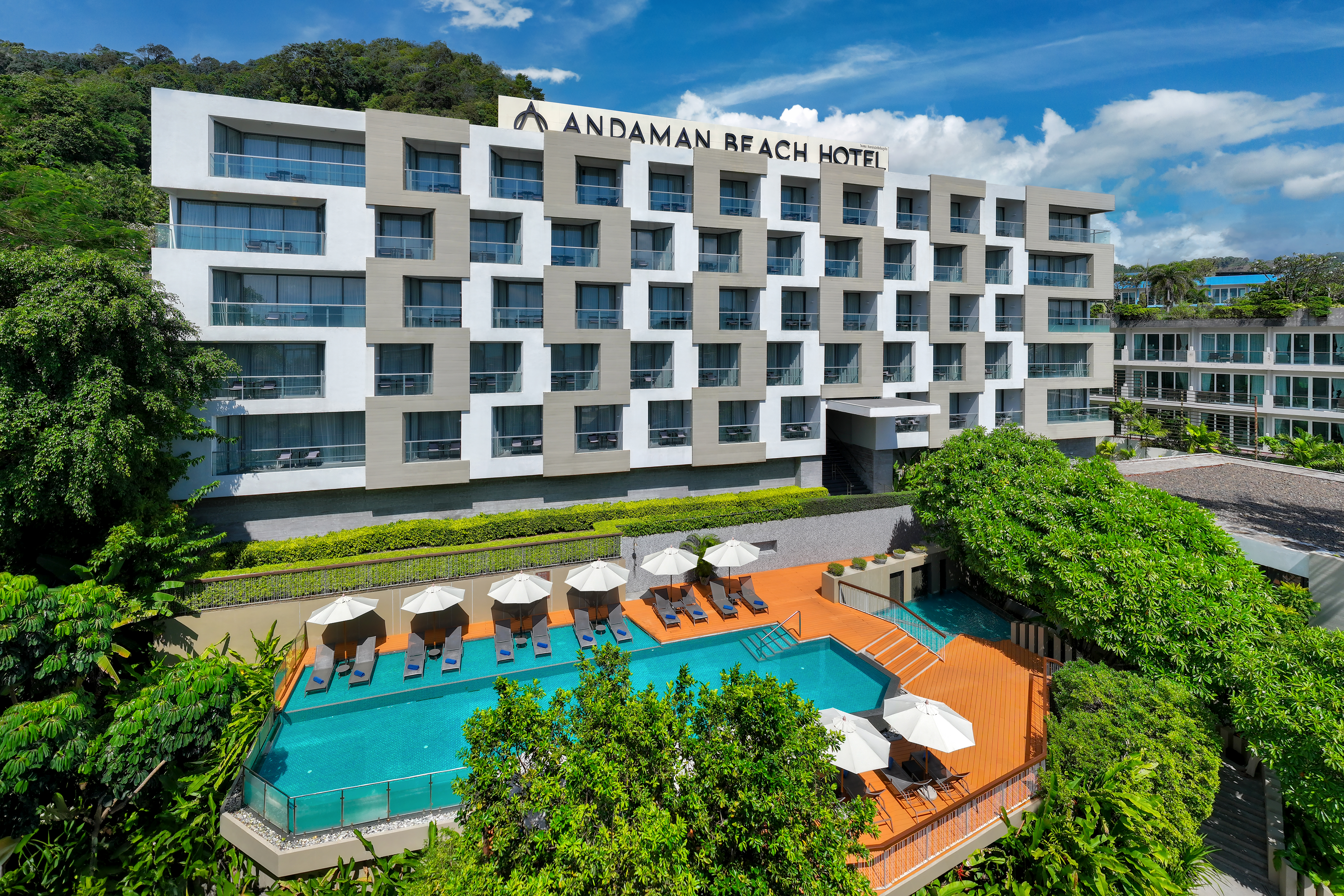
Accor, the largest hospitality Group in the Middle East, Africa & Asia Pacific, is pleased to unveil its first property under the Handwritten Collection brand in Thailand: Andaman Beach Hotel Phuket – Handwritten Collection. This charmingly curated hotel is now ready to welcome travellers with an authentic personality and warm connection.

“Phuket has long been a key focus for our expansion efforts in Asia, we are thrilled to introduce Andaman Beach Hotel Phuket – Handwritten Collection as our first property under this brand in Thailand. This hotel not only embodies our commitment to enhancing the tourism industry in Phuket, it also represents a significant milestone in our portfolio development in Thailand. I believe that the hotel’s unique charm and authentic appeal will provide travellers with an exceptional experience that reflects the spirit of Phuket,” said Garth Simmons, Chief Executive Officer of Accor’s Premium, Midscale and Economy Division in Asia.

Nestled in one of Phuket’s most vibrant neighborhoods of Patong, Andaman Beach Hotel Phuket – Handwritten Collection is ideally located just 250 meters from a sandy beach, surrounded by endless activities for guests to enjoy.

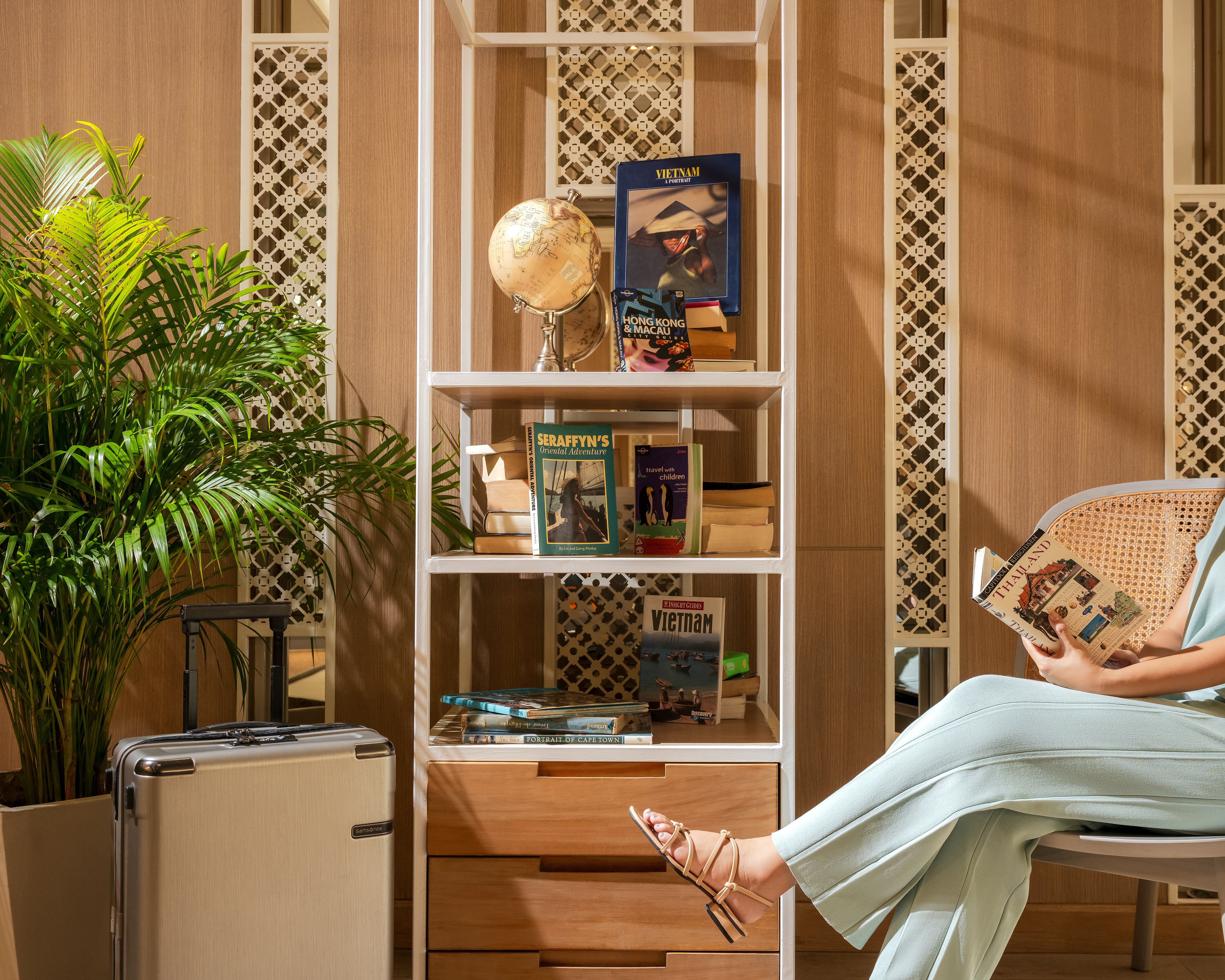
Each hotel within the Handwritten Collection invites guests to embark on a journey curated with the host’s passion. At Andaman Beach Hotel Phuket – Handwritten Collection, this passion comes to life as they strive to create unique encounters for travellers across the globe. This passion for travel goes beyond mere exploration of new places; it is about embracing the beauty of local encounters. The love for local exploration is translated into small details throughout the hotel. In the lobby, a series of books recounting the host’s experiences in various locations are thoughtfully placed for guests to peruse, with the books providing insights into her travels and the people she has met along the way. Guests can also enjoy a welcome drink inspired by the different destinations that the team members have explored, with each of the guestrooms, showcasing local travel and artisans guides, curated by the team.

01 Personal Touch 1698299382

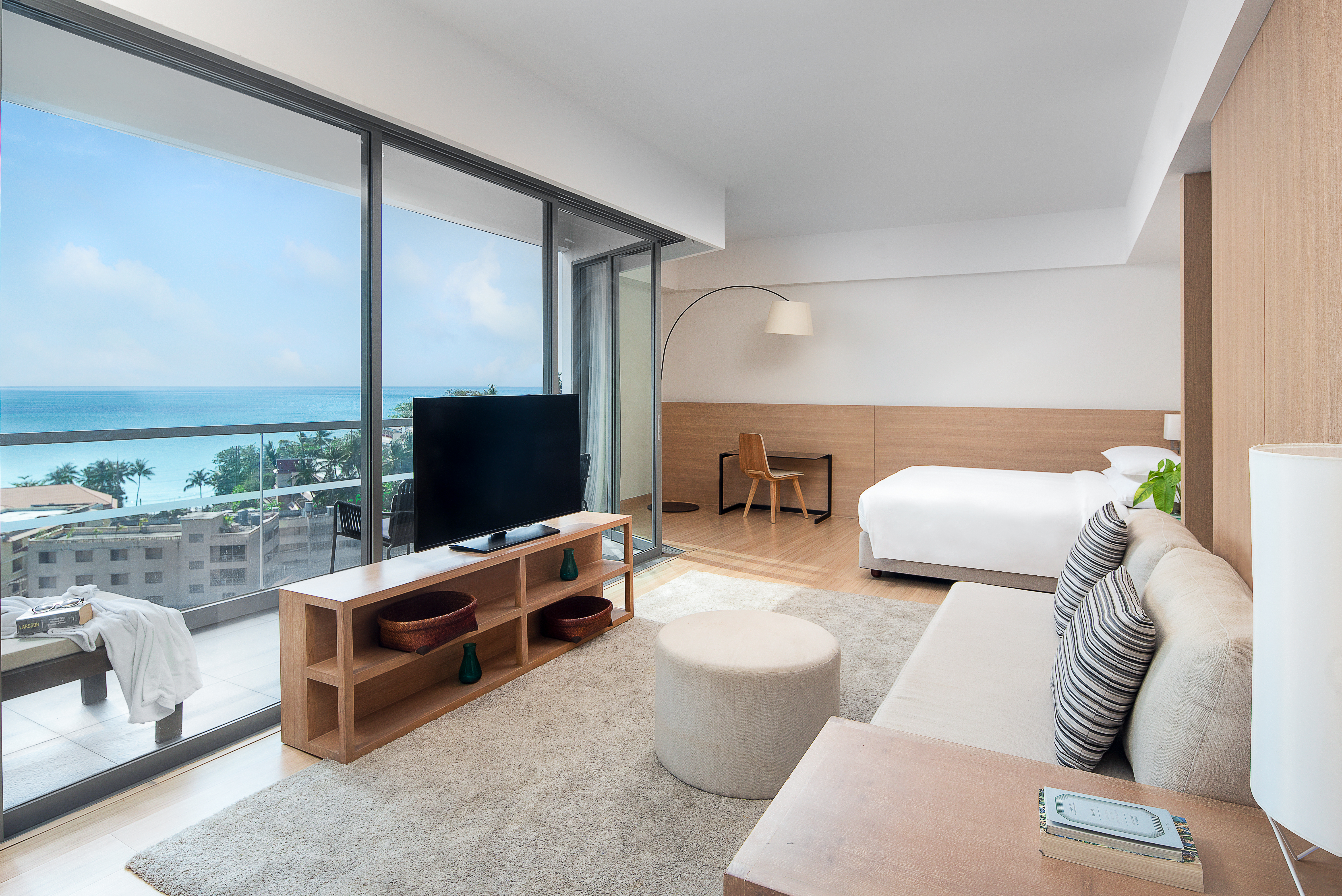
All 157 rooms boast stylish designs with clean, modern aesthetics and soft, natural tones, with each room featuring a balcony offering beautiful views of the Andaman Sea or the inviting swimming pool area.

To cater to the palates of global travellers the hotel offers a diverse range of culinary experiences including the signature all-day dining restaurant, ‘Salt n’ Sea Breeze’, which presents a rich tapestry of Thai cuisine alongside popular Asian and Continental choices, expertly curated by talented chefs, with itsambiance inspired by traditional Thai architecture seamlessly integrated with contemporary design elements. The ‘OZONE BAR’ offers a selection of international and local cocktails paired with tapas-style bites with the decor striking an elegant balance between cosy, comfort and sophistication, making it an ideal spot for both daytime relaxation and evening entertainment.

“We believe that every guest’s journey is unique. Andaman Beach Hotel Phuket – Handwritten Collection aims to provide a carefully curated hotel experience that celebrates and honors these individual narratives, ensuring each stay is unparalleled. Our dedicated team is committed to offering genuine service and creating unforgettable moments. Our passion is to showcase the rich tapestry of local Phuket culture. We invite all guests to experience redefined modern comfort at Andaman Beach Hotel Phuket – Handwritten Collection,” said Roxana Gheorghe General Manager of Andaman Beach Hotel Phuket – Handwritten Collection.

03 Main Photo 1698299438

To celebrate the opening of the Andaman Beach Hotel Phuket – Handwritten Collection, special rates starting from THB 2,000++ per night are available to guests for a limited time. This exclusive offer is valid until 30th November 2023.

With a stay or dine, guests can enjoy the opportunity to make the most of Accor’s lifestyle loyalty program, ALL – Accor Live Limitless, which serves as a daily companion for enhancing their lifestyle. ALL – Accor Live Limitless offers limitless experiences and incentives to its most dedicated members, empowering them to work, live, and enjoy themselves well beyond their time at the hotel. Becoming a member of ALL – Accor Live Limitless is simple and free of charge. Visit all.com to join.

For reservations and more information, please visit https://all.accor.com/hotel/C267/index.en.shtml or contact HC267-RE@ACCOR.COM

Andaman Beach Hotel Phuket – Handwritten Collection is located at 17/1-3, Soi Prabaramee 4, Patong 83150 Phuket, Thailand

###

Download presskit Download press release

ABOUT HANDWRITTEN COLLECTION

Handwritten Collection was created in 2023 to bring together hotels with a unique personality, intimately reflecting the character and warmth of the people who love and look after them. Believing hotels are where genuine connections are made and authentic travel experiences are enriched, the hoteliers of Handwritten Collection invite travellers to experience a twist on traditional hospitality without turning it on its head. The guest experience at Handwritten Collection brings to life the spirit of the host, their tastes, their passions and the little quirks of their personality. Handwritten Collection portfolio is expected to reach 250 hotels by 2030 throughout the globe with properties already opened in Australia, France and China. Handwritten Collection is part of Accor, a world-leading hospitality group counting over 5,400 properties throughout more than 110 countries, and a participating brand in ALL – Accor Live Limitless – a lifestyle loyalty program providing access to a wide variety of rewards, services, and experiences.

handwrittencollection.com | all.accor.com group.accor.com

“Their team are easy to work with and helped me make amazing websites. Thanks guys for all your hard work. Trust us we looked for a very long time.”satisfied client

Accor signs first Handwritten Collection address in Thailand

The Andaman Beach Hotel Phuket – Handwritten Collection is set to open its doors in Q4 2023

Andaman Beach Hotel Phuket %E2%80%93 Handwritten Collection (37) 1692786457


Above: Rooms overlooking swimming pool at Andaman Beach Hotel Phuket – Handwritten Collection

Accor, the region’s largest hotel operator, has partnered with Amchase Phuket HP (Thailand) Ltd., to debut the Handwritten Collection in Thailand, with the Andaman Beach Hotel Phuket – Handwritten Collection, set to open in Q4 2023, redefining guest experiences at this iconic address.

Situated in proximity to Patong Beach, the Andaman Beach Hotel Phuket – Handwritten Collection offers 161 meticulously designed guest rooms, each featuring a private balcony that embraces the island’s natural beauty.

The property rebranding marks the debut of Thailand’s inaugural Handwritten Collection, following from the recent signing of the brand’s first address in Singapore. Anchored in a commitment to authentic hospitality and style, the Andaman Beach Hotel Phuket – Handwritten Collection will mirror the persona of its hosts, striving to craft sincere and heartfelt encounters.

Andaman Beach Hotel Phuket %E2%80%93 Handwritten Collection (2) 1692786571

 Above: King Room with Ocean View  

Guests are invited to partake in an authentic journey, where interactions echo the warmth of the local community. At its core, this midscale retreat offers an innovative culinary experience, with the hotel’s all-day dining restaurant becoming a hub for gastronomic exploration. Guests can also enjoy pizzas and Indian cuisine at the dedicated dining outlets, with the bar providing a space for meaningful connections in an environment that harmonizes style with accessibility.

For holistic rejuvenation, the spa will introduce treatments that align with the locale’s spirit, catering to both body and soul. This tranquil sanctuary will offer reprieve, allowing guests to recharge amidst serene surroundings.

The swimming pool, nestled amidst lush greenery, will beckon guests with its tranquillity, offering an ideal escape to bask under the sun. The contemporary fitness centre is set to encourage guests to prioritize wellness, offering state-of-the-art equipment for an active lifestyle during their stay.

Garth Simmons, Chief Executive Officer of Accor’s Premium, Midscale & Economy Division in Asia commented: “The Andaman Beach Hotel Phuket – Handwritten Collection is a testament to our commitment to delivering an unparalleled guest experience. The partnership with Amchase Phuket HP (Thailand) Ltd. and the launch of this hotel mark an important milestone for Accor in Phuket, one of our strategic destinations. We are excited to offer a distinctive blend of heartfelt hospitality and stylish accommodation.”

Michiel Lugt, Andaman Beach Hotel Phuket – Handwritten Collection General Manager added: “We are delighted to be working with Accor in debuting the Handwritten Collection in Thailand with the rebranding of our established hotel. We eagerly anticipate the arrival of our first guests, who will experience a tranquil sanctuary, perfect for relaxation and meaningful connections, promising an unforgettable escape in the heart and soul of Phuket.”

Strategically positioned on the west coast of Phuket, the Andaman Beach Hotel Phuket – Handwritten Collection offers swift access to key attractions, with Patong Beach located  a mere 2 minutes’ walk away, while the cultural gems of Phuket Old Town are a 30 minutes’ drive away. Phuket International Airport is conveniently located within an hour’s drive of the hotel.

Andaman Beach Hotel Phuket %E2%80%93 Handwritten Collection (28) 1692786616

Above: Social Space

The Handwritten Collection brand, launched by Accor in January 2023, is comprised of charming bespoke hotels that offer an intimate and stylish hospitality experience. The brand seeks to offer a variety of hotels with individual personalities, intimately reflecting the character and warmth of the people who look after them. Like a handwritten note, each host’s individual touches are subtly encountered at select moments throughout the guest stay – from a warm welcome that cascades into conversation, to freshly baked treats. Accor has already opened addresses in Australia, France and Estonia under the Handwritten Collection, with a healthy pipeline of hotels throughout the globe.

As anticipation builds toward the October 2023 opening, the Andaman Beach Hotel Phuket – Handwritten Collection promises an experience that is refreshingly human—a genuine embrace, a heartfelt welcome, and the opportunity to forge real connections.  

###

Download presskit Download press release

ABOUT ACCOR

Accor is a world leading hospitality group offering experiences across more than 110 countries in 5,400 properties, 10,000 food & beverage venues, wellness facilities or flexible workspaces. The Group has one of the industry’s most diverse hospitality ecosystems, encompassing more than 40 hotel brands from luxury to economy, as well as Lifestyle with Ennismore. Accor is committed to taking positive action in terms of business ethics & integrity, responsible tourism, sustainable development, community outreach, and diversity & inclusion.  Founded in 1967, Accor SA is headquartered in France and publicly listed on Euronext Paris (ISIN code: FR0000120404) and on the OTC Market (Ticker: ACCYY) in the United States. For more information, please visit group.accor.com or follow us on Twitter, Facebook, LinkedIn, Instagram and TikTok.  

“Their team are easy to work with and helped me make amazing websites. Thanks guys for all your hard work. Trust us we looked for a very long time.”satisfied client

The Price Of Affordable Interior Design

  • How Can a Computer in a Cabinet Get Cooling?
  • 11 Essential Do-It-Yourself Interior Design Tools for Novices!
  • How Can You Design A Special Work Area For Yourself?
  • Five Eye-Catching Self-Adhesive Wallpaper Ideas!