

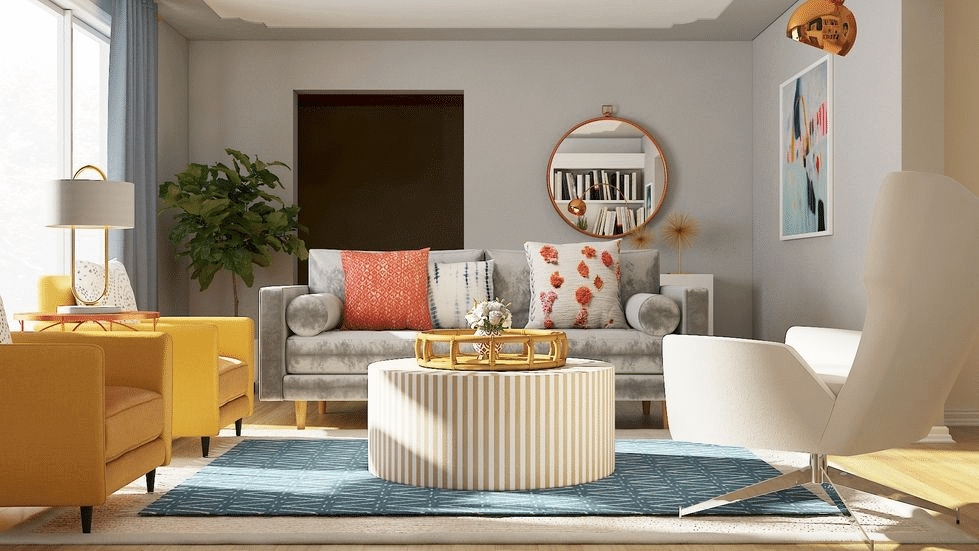
In interior design, hotel design, and commercial renovation projects, one term that continues to gain attention is FF&E. FF&E plays a critical role in shaping a project’s visual identity, functionality, and long-term value. Whether it is interior design for hotels, resorts, condominiums, or office buildings, FF&E is an essential element that should never be overlooked.
A clear understanding of FF&E helps make the interior design process more structured, enables accurate budget planning, reduces construction risks, and delivers measurable long-term returns on investment.
What Is FF&E?
FF&E stands for Furniture, Fixtures & Equipment. It refers to movable furniture, installed fixtures, and operational equipment that are not part of the building’s structural system but are vital to how a space is used and experienced.
In professional interior design, FF&E serves as the bridge between design concepts and real-world functionality.
Examples of FF&E include beds, tables, chairs, wardrobes, lighting fixtures, sanitary ware, electrical appliances, in-room equipment, and decorative elements that enhance the overall atmosphere. In hotel and commercial projects, FF&E is what users interact with most directly, making it a key factor in how the quality of interior design is perceived.
FF&E vs. FF&A vs. OS&E: Understanding the Differences
In professional interior design projects, FF&E is often discussed alongside related terms such as FF&A and OS&E, each serving a distinct purpose.
FF&E (Furniture, Fixtures & Equipment)
These are long-term, reusable furniture and core equipment. FF&E represents a major portion of the interior design budget and forms the backbone of functional space planning.
FF&A (Furniture, Furnishings & Accessories)
This category includes decorative and soft elements such as cushions, rugs, artwork, curtains, and accessories. FF&A enhances the mood, character, and emotional appeal of the interior design.
OS&E (Operating Supplies & Equipment)
OS&E covers operational items such as bed linens, towels, office supplies, and back-of-house equipment. While not central to interior design, OS&E is essential for daily operations.
Clearly separating FF&E, FF&A, and OS&E budgets allows for more efficient interior design planning and smoother renovation execution.
Key Components of FF&E in Interior Design
FF&E in interior design can be divided into three main categories:
Furniture
Core furniture items such as beds, sofas, tables, and cabinets that define spatial functions and usability within an interior design scheme.
Fixtures
Fixed or semi-fixed elements such as built-in lighting, sanitary fixtures, and counters that influence both aesthetics and long-term functionality in interior design projects.
Equipment
Electrical and operational equipment such as TVs, air-conditioning systems, and electronic devices that enhance user comfort and align with the intended interior design concept.
The Importance of FF&E in Interior Design Projects
FF&E is the critical link between design vision and user experience. Even with a strong interior design concept, poorly selected FF&E can significantly reduce a project’s overall value.
The importance of FF&E in interior design includes:
- Creating a strong visual identity and sense of place
- Enhancing functional efficiency
- Reflecting the quality and positioning of the project
- Directly influencing user comfort and experience
In hotel projects, FF&E strongly impacts guest reviews, repeat bookings, and the overall business performance of the interior design investment.
Why Understanding FF&E Is Essential for Design and Renovation
A solid understanding of FF&E allows for more accurate interior design planning, especially when it comes to budgeting. FF&E often accounts for a significant portion of the total project cost.
Without early FF&E planning during the interior design phase, projects may face cost overruns, inappropriate material selections, or last-minute design changes during construction affecting both timelines and budgets.
Proper FF&E planning also helps select materials and equipment that suit real-world usage, reduce maintenance costs, and extend the lifespan of the interior design over time.
FF&E as a Tool for Business Growth and Investment Value
FF&E is not only about aesthetics it is a strategic asset that adds measurable value to interior design projects, particularly in hotels, resorts, and commercial developments.
When FF&E is aligned with the interior design concept, it can:
- Increase selling prices or rental value
- Differentiate the project from competitors
- Strengthen brand identity
- Improve long-term return on investment
In many successful projects, a well-planned FF&E strategy from the early interior design stage is what gives the project a competitive advantage.
Conclusion: FF&E Is the Foundation of Sustainable Interior Design
Although FF&E is not part of a building’s structure, it plays a decisive role in shaping user experience, brand perception, and investment value. Understanding what FF&E is, recognizing its importance, and applying it correctly within interior design leads to more successful design, renovation, and hotel projects. Just as FF&E choices must align with user interaction and space function, digital platforms like best online pokies australia also prioritize tailored user experience and operational clarity.
When FF&E planning is integrated with interior design from the beginning, projects achieve better cost control, higher quality standards, and a truly meaningful experience for users resulting in sustainable long-term success.